
When choosing paint for your project, understanding the differences between interior and exterior paints is essential. While both serve to beautify surfaces, they are formulated differently to meet specific functional needs. Let’s delve into their key differences, applications, and what makes them suitable for their respective environments.
Composition and Durability
| Feature | Interior Paint | Exterior Paint |
| Binders | Less resilient to moisture; designed for indoor use | Highly durable; withstands weather changes |
| Additives | Low levels of volatile organic compounds (VOCs) for safe indoor air quality | Includes mildewcides and UV blockers |
| Resin Type | Rigid resins for smooth finish on walls | Flexible resins to expand with temperature variations |
Interior paints prioritize aesthetics and ease of cleaning, while exterior paints are made to endure harsh environmental conditions like rain, snow, heat, or dirt.
Interior Paint: Characteristics and Common Applications
- Low VOC Content: Ensures safer air quality in enclosed spaces.
- Washability: Designed for spaces prone to stains like kitchens or playrooms.
- Finish Variety: Available in flat, eggshell, satin, semi-gloss, and gloss finishes.
Common Applications:
- Living rooms
- Bedrooms
- Kitchens
- Bathrooms (with moisture-tolerant formulations)
Exterior Paint: Characteristics and Common Applications
- Weather Resistance: Protects against rain, UV rays, wind damage, and mildew.
- Flexible Resins: Prevents cracking or peeling caused by temperature shifts.
- Fade Resistance: Retains color vibrancy over time under sunlight exposure.
Common Applications:
- Home exteriors (walls and trims)
- Outdoor furniture
- Garage doors
- Fences
Comparing Aesthetic Qualities
While interior paints offer more customizable options in terms of texture and sheen levels for a refined look indoors, exterior paints often emphasize durability over decorative qualities.
| Aesthetic Considerations | Interior Paint | Exterior Paint |
| Finish Options | Wide range – matte to high gloss | Limited – typically low sheen |
| Color Retention | Less critical due to controlled light exposure | Highly fade-resistant |
Choosing the Right Paint
- Use interior paints exclusively indoors where durability against weather isn’t necessary.
- Opt for exterior paints when working on outdoor surfaces exposed to natural elements.
- For transitional spaces like sunrooms or covered patios, consult experts for tailored solutions.
Understanding these distinctions ensures you achieve both functionality and visual appeal in your painting projects while extending the life of your finished surface.
Key Characteristics and Benefits of House Painting Perrysburg OH for Your Space
Interior painting is a crucial element in enhancing the aesthetic appeal, functionality, and personal expression within a space. Understanding its key traits and associated benefits can help you make informed decisions when choosing paints for your home or commercial property.
Key Features of Interior & Exterior Painting Perrysburg OH
- Low VOC Content: Designed to emit minimal volatile organic compounds (VOCs), making it safer for indoor air quality.
- Smooth Finish: Provides an even texture that hides minor surface imperfections like cracks or dents.
- Washability: Many interior paints offer washable surfaces, making them ideal for high-traffic areas prone to dirt and stains.
- Wide Variety of Sheens: Available in multiple finishes such as matte, eggshell, satin, semi-gloss, and high gloss to match different design preferences.
Benefits of Interior Painting
Investing in high-quality interior paint offers numerous advantages beyond just aesthetic improvements.
1. Enhances Aesthetic Appeal
- Brightens up dull spaces with a fresh coat of paint.
- Offers endless design possibilities through various colors and textures.
- Helps set a mood or theme within specific rooms (e.g., warm tones for living areas or soothing hues for bedrooms).
2. Protects Walls and Surfaces
Interior paint acts as an added layer between your walls and external influences like moisture, grime, or wear-and-tear from daily activities.
3. Improves Indoor Air Quality
Modern interior paints are often designed with low-VOC or zero-VOC technology, reducing the impact on air quality while creating a healthier environment indoors.
4. Increases Property Value
A well-maintained interior featuring fresh paint can make your home more visually appealing to potential buyers or tenants.
Choosing Paint Types Based on Room Usage
| Room Type | Recommended Paint Finish | Key Features |
| Kitchen | Satin / Semi-gloss | Durable & easy to clean |
| Bathroom | Semi-gloss / High gloss | Moisture-resistant & prevents mold growth |
| Living Room | Matte / Eggshell | Soft finish suitable for low-contact surfaces |
| Children’s Rooms | Washable Matte / Satin | Stain-resistant & easy maintenance |
| Hallways | Satin | Durable enough to withstand frequent contact |
Tips for Effective Interior Painting
To achieve optimal results from your interior painting project:
1. Test colors using sample swatches before committing to a shade. 2. Prepare surfaces thoroughly by cleaning them and filling in any cracks or holes. 3. Use painter’s tape to protect edges and achieve clean lines. 4. Invest in quality brushes/rollers suitable for the chosen type of paint. 5. Opt for multiple thin coats rather than one thick coat to ensure better coverage.
By understanding these characteristics and benefits, you can transform your interiors into inspiring spaces that combine style with practicality while protecting underlying surfaces effectively over time.
Top Characteristics of Exterior Paint for Long-Lasting Protection by Painters Perrysburg OH
Exterior paint plays a vital role in ensuring the longevity, durability, and aesthetic appeal of your property. Designed specifically to withstand environmental stressors such as sunlight, moisture, and temperature fluctuations, exterior paint is a critical investment for homeowners and building owners. Below is a detailed look at its characteristics and how it benefits your structure.
Key Characteristics of Exterior Paint
- Weather Resistance
Exterior paints are formulated to endure harsh weather conditions. They resist rain, snow, wind, and UV rays from the sun without fading or deteriorating quickly. - Durability
High-quality exterior paints often come with advanced technology that offers better adhesion to various surfaces, reducing the chances of cracking or peeling over time. - Moisture Protection
Many exterior paints include waterproofing properties that help prevent water infiltration into walls, reducing risks of mold or structural damage. - Fade Resistance
With pigments treated to resist fading from UV exposure, exterior paints maintain their vibrancy for years without frequent touch-ups. - Mildew and Mold Resistance
Many products contain additives that reduce the growth of mildew and mold on painted surfaces. - Texture Compatibility
Exterior paints can be applied to various surface types such as wood, brick, stucco, metal, and cement without compromising effectiveness.
1. Long-Term Structural Protection
Exterior paint serves as a protective shield against environmental elements that could otherwise degrade your building’s materials over time. This protective layer keeps moisture out while minimizing wear caused by natural elements like wind and dirt.
2. Enhanced Curb Appeal
A fresh coat of exterior paint can dramatically improve the appearance of your home or commercial building. With modern color options available in matte or gloss finishes, your property can reflect both timeless charm and contemporary style.
3. Cost-Effective Maintenance
By preventing issues like wood rot or rust formation on metal surfaces through proper coating application, you can avoid costly repairs in the future. Investing in quality exterior painting services ultimately saves money in maintenance expenses long-term.
4. Energy Efficiency
Some advanced exterior paints come with reflective properties designed to reduce heat absorption during summer months—helping keep indoor spaces cooler while lowering energy costs.

Common Types of Exterior Paint
| Type | Description | Best Used For |
| Acrylic Latex Paint | Water-based; durable; resists cracking & peeling | Siding (wood, vinyl), brick |
| Oil-Based Paint | Offers superior adhesion; smooth finish | Metal railings/fences; doors |
| Elastomeric Coatings | Highly flexible; excellent waterproofing capabilities | Masonry walls; stucco |
| Alkyd-Based Paint | Durable option ideal for high-traffic areas | Outdoor furniture; trims |
Tips for Maximizing Durability
- Surface Preparation: Clean surfaces thoroughly before applying paint to ensure proper adhesion.
- Use Primer: Applying an appropriate primer creates a smoother surface while enhancing paint durability.
- Follow Manufacturer Guidelines: Always adhere to drying times and application instructions specific to the product you’re using.
- Choose Weather-Compatible Products: Consider climate-specific formulations (e.g., rain-resistant coatings for humid regions or UV-protective finishes for sunny areas).
Investing time in selecting high-quality exterior paint not only enhances aesthetics but also protects one’s property against environmental challenges effectively over several years.
Characteristics and Benefits of Exterior Paint for Long-Lasting Protection
When it comes to exterior painting, selecting the right paint type is critical for ensuring durability and protection against environmental elements. Exterior paint is specifically formulated to withstand varying weather conditions, resist damage from UV rays, and defend surfaces against moisture, dirt, and mildew. Below, we’ll explore the key characteristics that set exterior paint apart and its numerous benefits for long-lasting protection.
Key Characteristics of Exterior Paint
- Exterior paints are designed to endure harsh environmental factors such as rain, snow, heat, and fluctuating temperatures. The protective layer formed by these paints helps prevent cracking or peeling over time.
- High-quality exterior paints are equipped with UV-resistant properties to reduce the impact of sunlight exposure. This helps maintain the vibrancy of colors and prevents fading.
- Many exterior paints include water-repellent technology that protects surfaces from moisture penetration, reducing the risk of mold or rot on wooden structures.
- Superior adhesion ensures long-term durability on rough or porous surfaces such as stucco, brick, stone, or wood.
- Exterior paints often come in finishes like satin or semi-gloss that deliver added resistance to stains and dirt while enhancing visual appeal.
Benefits of Using Exterior Paint
- Protection Against Environmental Damage:
Coating exteriors with high-quality paint provides a barrier that protects building materials from weather-induced wear-and-tear over time. - Enhanced Curb Appeal:
A fresh coat of exterior paint can increase your home’s value by creating an attractive appearance that leaves a lasting impression on visitors or potential buyers. - Energy Efficiency:
Certain modern exterior paints are engineered with reflective pigments that help regulate indoor temperatures by reflecting sunlight away from your property. - Cost-Efficiency Over Time:
Investing in durable exterior paint reduces maintenance costs over several years since it minimizes issues like peeling or the need for frequent touch-ups.
Choosing the Right Type of Exterior Paint
| Paint Type | Key Features | Ideal Surfaces |
| Acrylic Latex | Flexible coating resistant to cracking | Wood siding, stucco |
| Oil-Based | Durable finish suitable for high-impact areas | Metal surfaces |
| Elastomeric | Highly stretchable; seals cracks effectively | Masonry walls |
| Enamel | Provides glossy finishes enhanced with toughness | Doors and trims |
Tips for Maximizing Longevity with Exterior Painting
- Always clean surfaces thoroughly before applying any coating to ensure proper adhesion.
- Use primers specifically designed for your surface type (e.g., masonry primer for brick walls).
- Avoid painting during extreme weather conditions—optimum results are achieved between 50°F–85°F (10°C–29°C) with low humidity.
- Consider investing in professional-grade tools such as sprayers or rollers designed for smooth application across large areas.
By understanding the essential characteristics and advantages associated with exterior paint types—and implementing best practices during application—you can significantly enhance both the function and aesthetics of your property while ensuring its longevity against external challenges over time.
Surface Preparation and Priming Techniques for a Professional Finish
Proper surface preparation and priming are the cornerstones of achieving a professional, long-lasting paint finish. Whether tackling an interior or exterior painting project, neglecting this critical step can lead to issues such as peeling, uneven coverage, or poor adhesion. Below is an in-depth look at techniques and practices to ensure your paintwork stands the test of time.
Importance of Surface Preparation
- Improves Adhesion: Well-prepared surfaces allow primer and paint to bond effectively for a durable finish.
- Ensures Uniform Application: Smooth surfaces create even paint distribution, minimizing streaks or patchiness.
- Prevents Common Paint Failures: Properly prepared surfaces reduce risks such as bubbling, cracking, or flaking over time.
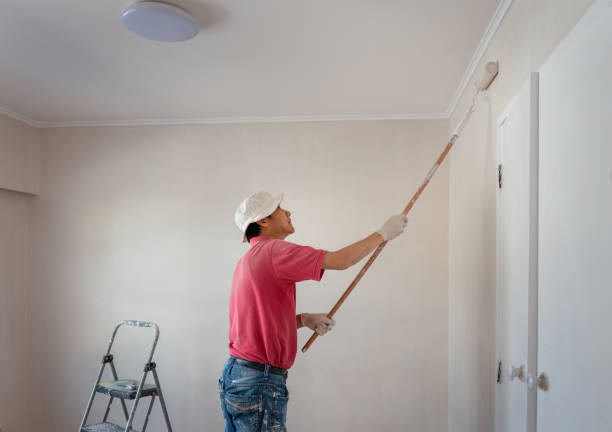
Steps in Surface Preparation
- Remove dirt, grease, mold, or any residue using appropriate cleaning solutions.
- For interior spaces: Use mild soap and water for walls; degreasers may be required for kitchen areas.
- For exterior areas: Pressure washing is effective in removing stubborn grime and mildew.
- Patch holes or cracks with spackling paste (for interiors) or exterior fillers.
- Sand rough patches smooth once dry to create an even surface.
- Sand glossy surfaces to improve primer adhesion.
- Use fine-grit sandpaper for delicate surfaces and coarse-grit sandpaper for tougher areas.
- Scrape away chipped or flaking paint using a putty knife or scraper.
- Sand edges around removed paint to feather them smoothly into surrounding areas.
- Spot-treat stubborn stains like rust or watermarks with sealers designed specifically for stain blocking.
The Role of Priming in Achieving Perfection
- Seals Porous Surfaces: Materials like drywall absorb paint unevenly without primer.
- Improves Coverage: Primer helps achieve consistent color by masking imperfections on the base surface.
- Enhances Durability: A quality primer reinforces adhesion while protecting against premature wear.
Types of Primers
| Primer Type | Best For | Key Benefits |
| Oil-Based Primer | Woodwork & stained surfaces | Superior stain-blocking properties |
| Latex-Based Primer | Drywall & previously painted areas | Low VOC; quick-drying |
| Shellac Primer | Smoke damage & strong stains | Excellent odor-blocker |
Best Practices for Applying Primer
- Choose a primer suited to your specific surface (e.g., wood vs metal).
- Apply thin coats evenly using brushes on edges and rollers on larger areas.
- Allow sufficient drying time before applying topcoats (as recommended by product instructions).
Common Mistakes to Avoid
- Skipping cleaning steps before applying primer—this leads to poor adhesion.
- Using incompatible primers—for example, oil-based primers may not work well with latex paints unless specified.
- Applying too much primer at once—this can cause dripping and extended drying times.
Taking time upfront to prepare your surfaces properly ensures that every layer applied afterward performs optimally while enhancing aesthetics and durability alike. The combination of methodical preparation techniques paired with quality primers will elevate any painting project from mundane to extraordinary results worthy of professional standards.
Application Methods and Techniques to Achieve Perfect Paint Results
Achieving a flawless paint finish requires not only selecting the right materials but also employing proper application methods and techniques. Whether you’re a seasoned professional or a DIY enthusiast, understanding the best practices can make the difference between a satisfactory outcome and an exceptional one. Below is a detailed guide on achieving perfect paint results.
Essential Tools for Paint Application
Brushes:
– Natural-bristle brushes: Ideal for oil-based paints or varnishes.
– Synthetic-bristle brushes: Best for water-based paints as they maintain their shape when wet.
Rollers:
– Short-nap rollers (1/4″ to 3/8″): Suitable for smooth surfaces like drywall or wood.
– Medium-nap rollers (1/2″ to 3/4″): Effective on semi-rough surfaces such as textured walls.
– Long-nap rollers (over 3/4″): Ideal for rough surfaces like stucco or brick.
Other Tools:
– Paint trays and liners
– Drop cloths to protect floors and furniture
– Painter’s tape for clean edges
– Extension poles for reaching high areas
– Sandpaper or sanding blocks
Proper Application Techniques
- Use an angled brush to “cut in” around edges such as corners, ceilings, baseboards, and trim.
- Maintain steady strokes and aim to blend the edges into larger painted areas seamlessly.
- Load your roller evenly by rolling it back and forth in the tray.
- Apply paint in “W” or “M” patterns to distribute it uniformly before filling in gaps with horizontal strokes.
- Avoid overloading the roller; this reduces drips and splatters.
- For optimal coverage, apply multiple thin coats rather than one thick coat.
- Allow sufficient drying time between coats as recommended by the paint manufacturer.
- When blending sections, use long overlapping strokes to “feather out” edges so they don’t appear uneven after drying.
Common Application Mistakes to Avoid
| Mistake | How to Avoid |
| Skipping surface preparation | Clean surfaces thoroughly and patch imperfections beforehand. |
| Over-dipping brushes | Dip only one-third of bristles into paint to avoid dripping. |
| Painting unevenly | Use consistent pressure and movement while applying paint. |
| Ignoring drying times | Follow manufacturer guidelines for proper curing between coats. |
Specialty Techniques for Advanced Results
- Sponging: Creates a textured look by dabbing contrasting colors with a sponge over a solid base.
- Stenciling: Allows you to create intricate patterns using pre-designed templates.
- Strié (Dragging): Produces subtle vertical or horizontal stripes by dragging a dry brush through wet glaze.
These techniques require precision but can add depth and uniqueness to any space when executed properly.
By combining high-quality tools with disciplined techniques, you can achieve smooth finishes that enhance both aesthetics and durability in any painted project—whether indoors or outdoors—and ensure lasting satisfaction with your work.
- Steps a Painting Company Perrysburg OH Recommends for a Flawless Wall Finish
- 5 Signs You Need Painters Perrysburg OH for a Fresh Coat of Paint
- Proper Surface Preparation Tips for House Painting Perrysburg OH Projects
- Interior and Exterior Paint: A Guide from a Trusted Painting Company Perrysburg OH
- How Often Should You Opt for House Painting Perrysburg OH to Maintain Long-Lasting Beauty
- How to Choose the Right Paint for Interior and Exterior House Painting Perrysburg OH
- Step-by-Step Guide to House Painting Perrysburg OH: Tips for Professional Results