
A fresh coat of paint can revitalize your home, improve its aesthetic appeal, and protect its surfaces. However, knowing when it’s time to repaint isn’t always obvious. Here are five key signs to help you determine if your home could benefit from a new layer of paint.
1. Visible Cracks, Peeling, or Bubbling
Cracks, peeling paint, or bubbling are among the most noticeable indicators that your walls or exterior need attention. These issues often occur due to:
– Exposure to Moisture: Humidity levels or water intrusion can weaken the bond between paint and the surface.
– Poor Surface Preparation: Inadequate priming or prep before painting can cause premature cracking or peeling.
– Aging Paint: Over time, even the most well-applied coatings will degrade.
If you notice these imperfections on your walls or trim, it’s likely time for a repaint to protect the underlying material.
2. Fading Colors
Faded paint diminishes the vibrancy and overall appearance of your home’s interior or exterior. For exteriors especially, fading is often caused by prolonged exposure to sunlight (UV radiation). On interiors, it may occur in rooms with significant natural light exposure. If you compare areas exposed to light with shaded spots and see a stark difference in color intensity, consider repainting those areas for uniformity.
| Cause | Effect | Solution |
| UV Damage | Colors lose their brightness | Use UV-resistant paints |
| Interior Light Reflection | Uneven tones on walls | Opt for fade-resistant options |
3. Stains That Resist Cleaning
Persistent stains—such as grease marks in kitchens or water stains from leaks—can detract from your home’s appearance if they cannot be removed with regular cleaning methods. Painting over these areas not only covers imperfections but also ensures future durability when paired with stain-resistant coatings.
4. Outdated Color Choices
Trends change over time; colors that were once modern might now feel dated. If your existing hues no longer align with your personal style or contemporary design preferences, repainting gives you an opportunity to refresh the look of your space while increasing appeal—especially important if you’re considering selling your property.
Popular Color Trends:
- Neutral tones such as taupe and greige.
- Earthy greens and blues for calming environments.
- Bold accent colors like navy blue or deep emerald green.
5. Protective Wear is Diminished
Paint does more than just beautify; it acts as a protective barrier against damage like mold growth on interiors or harsh weather conditions on exteriors (e.g., rain, wind). Flaking paint exposes surfaces directly to these risks—which could result in costly repairs down the road if left unaddressed.
By keeping an eye out for these indicators in both interiors and exteriors of your property, you can preserve its structural integrity while maintaining its visual appeal through regular repainting cycles tailored to wear patterns evident in specific regions/climate zones. Ensure any new project considers high-quality products designed specifically for longevity purposes based on location needs (e.g., waterproof coatings).
Tips from a Painting Company Perrysburg OH on Evaluating Your Paint Job and Knowing When to Repaint
Understanding when to repaint your home can save you time, effort, and money while ensuring your property maintains its aesthetics and structural integrity. Several factors come into play when assessing the severity of your current paint job. Below are key considerations and guidelines to help you determine whether it’s time for a fresh coat of paint.
Visible Signs of Aging Paint
- Cracks: Fine or deep cracks in the paint layer may indicate aging or poor-quality application.
- Peeling or Flaking: Areas where paint is peeling away from the surface suggest moisture damage or improper adhesion.
- Fading Colors: Sunlight exposure can lead to dull, faded colors over time, reducing curb appeal.
If any of these conditions are present in multiple areas, it may be time for a repaint.
Environmental Factors Impacting Your Paint Job
| Factor | Impact on Paint | Action Needed |
| Direct Sunlight | Causes fading and blistering due to heat and UV exposure | Opt for UV-resistant exterior paints |
| Humidity Levels | Promotes moisture retention, leading to peeling or bubbling | Use moisture-resistant paints |
| Harsh Winters | Encourages cracking due to temperature fluctuations | Choose durable, weather-grade paint formulas |
Homes in regions with extreme weather conditions tend to require more frequent repainting.
Frequency Based on Paint Type and Surface
- Interior Walls (e.g., living rooms): May last 5–7 years depending on traffic levels.
- Bathrooms/Kitchens: Typically need touch-ups every 3–4 years because of higher humidity levels.
- Exterior Walls: Require fresh coats every 5–10 years based on climate exposure and material (wood often needs earlier attention than brick).
Choosing high-quality paints with proper preparation will extend durability.
How Timing Impacts Repainting Costs
Delaying repainting could lead to additional expenses down the road. For example: – Ignoring cracks for long periods may result in water infiltration, requiring costly repairs. – Extensive deterioration will demand more labor-intensive preparation work before applying new layers.
Addressing minor issues early ensures that potential damage is contained while keeping costs manageable.
Checklist for Evaluating Repainting Needs
Use this quick checklist as a guide:
- Are there visible cracks or peeling anywhere?
2. Has it been more than five years since the last application?
3. Do stains persist after cleaning attempts?
4. Is discoloration affecting your home’s appearance?
5. Are environmental factors accelerating wear on surfaces?
If you check off multiple items above, it’s worth considering a professional consultation or starting your next painting project soon.
By regularly assessing these elements, you can maintain both the visual appeal and structural health of your home while avoiding unnecessary delays in upkeep tasks that might compound over time.

Identifying Cracks, Peeling, and Discoloration with Interior & Exterior Painting Perrysburg OH
Properly maintaining the paint on your walls is essential for the aesthetics and structural protection of your home. Over time, even the highest-quality paints can show signs of wear and deterioration. One of the earliest indicators that your walls might need attention is the appearance of cracks, peeling, or discoloration. Understanding these issues will help you determine when a fresh coat of paint is necessary.
Causes of Cracks in Painted Surfaces
Cracks in painted walls are not only unsightly but can also hint at underlying structural issues or improper painting techniques. Some common causes include:
– Moisture issues: Excess moisture behind walls can lead to cracking as water disrupts the adhesion of paint layers.
– Improper surface preparation: Failing to clean or prime a surface before painting often causes paint to weaken over time.
– Temperature fluctuations: Extreme temperature changes cause materials to expand and contract, leading to cracks in painted surfaces.
Peeling Paint: A Serious Warning Sign
Peeling paint is one of the most apparent signs that it’s time for a repaint. Unlike fading or minor scuffs, peeling indicates a failure in adhesion between one or more layers of paint and the wall surface beneath it. Common reasons for peeling include:
– Exposure to excess humidity: Bathrooms and kitchens often suffer from peeling due to high levels of moisture if not properly ventilated.
– Low-quality paint: Cheap paints are more likely to degrade faster when exposed to environmental wear-and-tear.
– Skipping primer application: Primer acts as an anchor between the wall material and topcoat; skipping this step increases chances of premature peeling.
To address peeling effectively, it’s vital to remove all loose paint before applying a fresh coat. Sanding or scraping helps create a smooth surface that ensures better adhesion.
Understanding Wall Discoloration
Discoloration can manifest as faded colors, uneven patches, or even spots with entirely different tones from surrounding areas. This problem often arises due to:
– Direct sunlight exposure: UV rays break down pigment molecules over time, causing fading on sections exposed to sunlight. – Water stains: Water leaks from pipes or roofs leave unsightly brownish marks that permanently alter wall color unless repainted. – Smoke damage: Residual smoke from candles, fireplaces, or cigarettes leaves yellowish tints over long periods.
Maintaining consistent temperature control and addressing leaks promptly can mitigate discoloration risks before they require major repainting efforts.
When Should You Act?
| Issue | Action Needed | Timeframe |
| Minor cracks | Fill with caulk; touch up with matching paint | Within 3 months |
| Extensive peeling | Remove loose paint; apply primer + repaint | ASAP |
| Faded/discolored areas | Repaint affected sections; consider UV-resistant options | Within 6 months |
Acting swiftly ensures minor issues don’t escalate into costly repairs involving drywall replacement or extensive cleaning tasks before painting.
By keeping an eye out for these signs—cracks forming along corners, flakes falling off walls, or discolored patches—you’ll know when it’s time to invest in professional-grade solutions for lasting results. Regular inspections paired with timely maintenance will extend the life span of your home’s interior finishes while maintaining its visual appeal year-round.
Understanding Why It’s Been Five to Seven Years Since Your Last Paint Job
Regularly updating the paint in your home is essential to maintain its aesthetic appeal and structural integrity. The five-to-seven-year period is often regarded as a general benchmark for interior and exterior repainting, but many factors can influence this timeline.
Why Paint Fades Over Time
- Sunlight Exposure: Ultraviolet (UV) rays break down pigments in the paint, causing discoloration, fading, or chalking.
- Moisture Levels: High humidity or water exposure can weaken paint adhesion, leading to cracking or peeling.
- Everyday Wear and Tear: Heavy traffic areas such as hallways or children’s rooms accumulate marks and scuffs that become difficult to clean over time.
- Cleaning Frequency: Frequent scrubbing with harsh cleaners can strip away the protective layer of the paint.
If these factors have significantly impacted your walls or exterior surfaces after several years, it may be time for a fresh coat of paint.
When Should You Repaint?
| Area | Recommended Repainting Interval |
| Living Rooms & Bedrooms | 5–7 years |
| Kitchens & Bathrooms | 3–5 years |
| Hallways & Corridors | 2–4 years |
| Exterior Walls | 5–10 years (depending on climate) |
Keep in mind that these intervals may vary depending on your specific circumstances. For example, homes located in regions with extreme weather conditions might require more frequent exterior painting.
Benefits of Repainting After Five to Seven Years
- Paint acts as a barrier against moisture and prevents potential damage like mold growth or wood rot.
- Modern paints often contain low or zero VOCs (volatile organic compounds), which can improve indoor air quality compared to older coatings.
- A newly painted home creates a favorable impression on potential buyers if you’re planning to sell in the near future.
- Certain light-reflective paints can help regulate indoor temperatures, reducing energy costs over time.
How To Prepare for Your Next Painting Job
- Inspect surfaces for cracks or peeling paint and repair them before starting.
- Identify high-quality paints specifically designed for the area being repainted (e.g., moisture-resistant paints for bathrooms).
- Choose colors that align with current design trends while ensuring they fit into the overall theme of your home.
By taking stock of how much time has passed since your last painting project and evaluating wear and tear throughout your living spaces, you can plan an effective repainting schedule tailored to your needs.
Signs You Need a Fresh Coat of Paint for Your Home
A fresh coat of paint not only enhances the aesthetic appeal of your home but also protects it from potential damage. Over time, signs start appearing that indicate it’s time to refresh your walls. Here are five key indicators that you may need to repaint your home.
Assessing the Severity of Your Current Paint Job and When to Repaint
One of the first steps in determining if a new coat of paint is necessary is evaluating the condition of your current paint job. Several factors contribute to how long paint lasts, including environmental conditions, the quality of paint used, and surface preparation during the prior application.
- Exterior Paint: Typically lasts 5-10 years depending on climate and exposure to elements like sun, rain, or snow.
- Interior Paint: Should generally be refreshed every 5-7 years unless subjected to excessive wear and tear.
If you notice widespread wear or fading, it could be time for professional repainting.
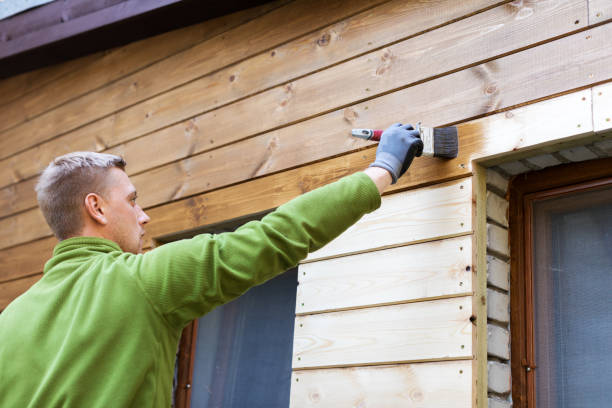
Identifying Cracks, Peeling, and Discoloration in Your Walls
- Cracks: Small fissures or cracks in painted surfaces can indicate underlying structural issues or improper application during previous painting jobs.
- Peeling: This happens when layers of old paint begin detaching from surfaces due to moisture buildup or age-related deterioration.
- Discoloration: Faded colors or uneven patches on walls signal UV degradation for exterior surfaces or water damage indoors.
Address these issues promptly before they lead to further complications requiring more invasive repairs.
Understanding Why It’s Been Five to Seven Years Since Your Last Paint Job
If five to seven years have passed since you last painted either your interior or exterior walls, it’s likely time for an update. Not only do older coats lose their protective qualities over time but failing to repaint within this timeframe can allow surfaces underneath (like wood or plaster) to deteriorate.
Here’s why regular upkeep matters:
| Time Since Last Paint | Common Effects | Recommended Action |
|———————-|—————-|——————–|
| Less than 3 years | Minimal fading | Touch-ups as needed|
| 5+ years | Visible wear | Full repaint | | 7+ years | Major damage risks | Repainting essential |
How to Handle Stains and Marks That Won’t Disappear with Cleaning
- Grease stains: Common in kitchens, these often penetrate beyond surface layers of paint.
- Watermarks: Indicate leaks which must be resolved before repainting.
- Scuff marks: Found in high traffic areas like hallways; they can make interiors appear worn out over time.
When cleaning no longer restores your wall’s luster—it’s usually a sign that fresh painting is required.
Identifying Signs of Wear That Require Professional House Painting Perrysburg OH
Rust stains on metal components such as window frames or handrails are red flags indicating the breakdown of protective coatings applied earlier. Similarly:
– Wood siding may show significant rotting due lack-of-paint maintenance care , promoting problems longer left unaddressed”.
Recognizing Rust or Significant Wear That Calls for a Repainting Solution
Rust and significant wear on painted surfaces are critical indicators that your home may require a repaint. Over time, exposure to environmental factors such as moisture, UV rays, and temperature fluctuations can cause damage to the paint layer, leaving surfaces susceptible to corrosion and unsightly wear. Addressing these issues promptly can prevent further deterioration and maintain the aesthetic appeal of your home.
Signs of Rust That Demand Immediate Attention
- Visible Rust Stains: Brown or reddish stains on painted surfaces often indicate oxidation of metal components beneath or around the paint.
- Flaking Paint: Peeling or bubbling paint can expose bare metal that is more vulnerable to rust formation.
- Structural Damage: Advanced rust can eat away at metal structures such as railings or window frames, affecting their integrity.
If you spot any of these signs, it’s essential to act quickly to prevent the spread of rust and avoid expensive repairs in the future.
How Significant Wear Impacts Your Paint Job
- Fading Colors: UV rays from sunlight can cause vibrant colors to fade over time, dulling the overall appearance of your home.
- Chalky Residue: A powdery surface on exterior walls indicates paint degradation caused by prolonged exposure to elements.
- Hard-to-Clean Surfaces: When grime or dirt seems embedded in the surface despite cleaning efforts, it’s likely that the protective layer of paint has worn thin.
- Cracking or Crazing: Tiny cracks or web-like patterns in the paint film signal aging and require immediate attention before they worsen.
Addressing these problems with a fresh coat ensures not only cosmetic enhancement but also added protection for your property.
| Common Causes of Rust & Wear | Solutions |
| Excessive moisture | Use high-quality waterproof primers and paints designed for damp areas. |
| Poor surface preparation | Clean surfaces thoroughly before repainting for better adhesion. |
| Low-quality paint products | Opt for durable paints with weather-resistant properties. |
Steps to Handle Rust Before Repainting
- Assess Damage Depth: Examine whether rust has only affected the surface level or penetrated deeper into materials like metal beams or pipes.
- Remove Rust Thoroughly: Use sandpaper, wire brushes, or chemical rust removers depending on severity.
- Apply Protective Coatings: Once cleaned, apply a rust-inhibiting primer before adding layers of fresh paint.
- Choose Quality Paints: For long-lasting results, invest in paints with anti-corrosion properties.
Taking these precautionary measures will help ensure durability while achieving a polished finish.
Preventative Tips: Avoid Future Issues
- Regularly inspect exterior walls and metal structures for early signs of damage.
- Ensure proper ventilation indoors to minimize humidity levels that contribute to moisture buildup.
- Repaint with high-performance materials every five years (or sooner if needed) based on environmental conditions specific to your location.
By recognizing areas affected by rust or substantial wear early on and addressing them effectively through repainting solutions backed by proper preparation techniques, you can preserve both functionality and beauty in your living space efficiently over time.
- Steps a Painting Company Perrysburg OH Recommends for a Flawless Wall Finish
- 5 Signs You Need Painters Perrysburg OH for a Fresh Coat of Paint
- Proper Surface Preparation Tips for House Painting Perrysburg OH Projects
- Interior and Exterior Paint: A Guide from a Trusted Painting Company Perrysburg OH
- How Often Should You Opt for House Painting Perrysburg OH to Maintain Long-Lasting Beauty
- How to Choose the Right Paint for Interior and Exterior House Painting Perrysburg OH
- Step-by-Step Guide to House Painting Perrysburg OH: Tips for Professional Results